 English
  Français
Shopping Cart
Ready to ship
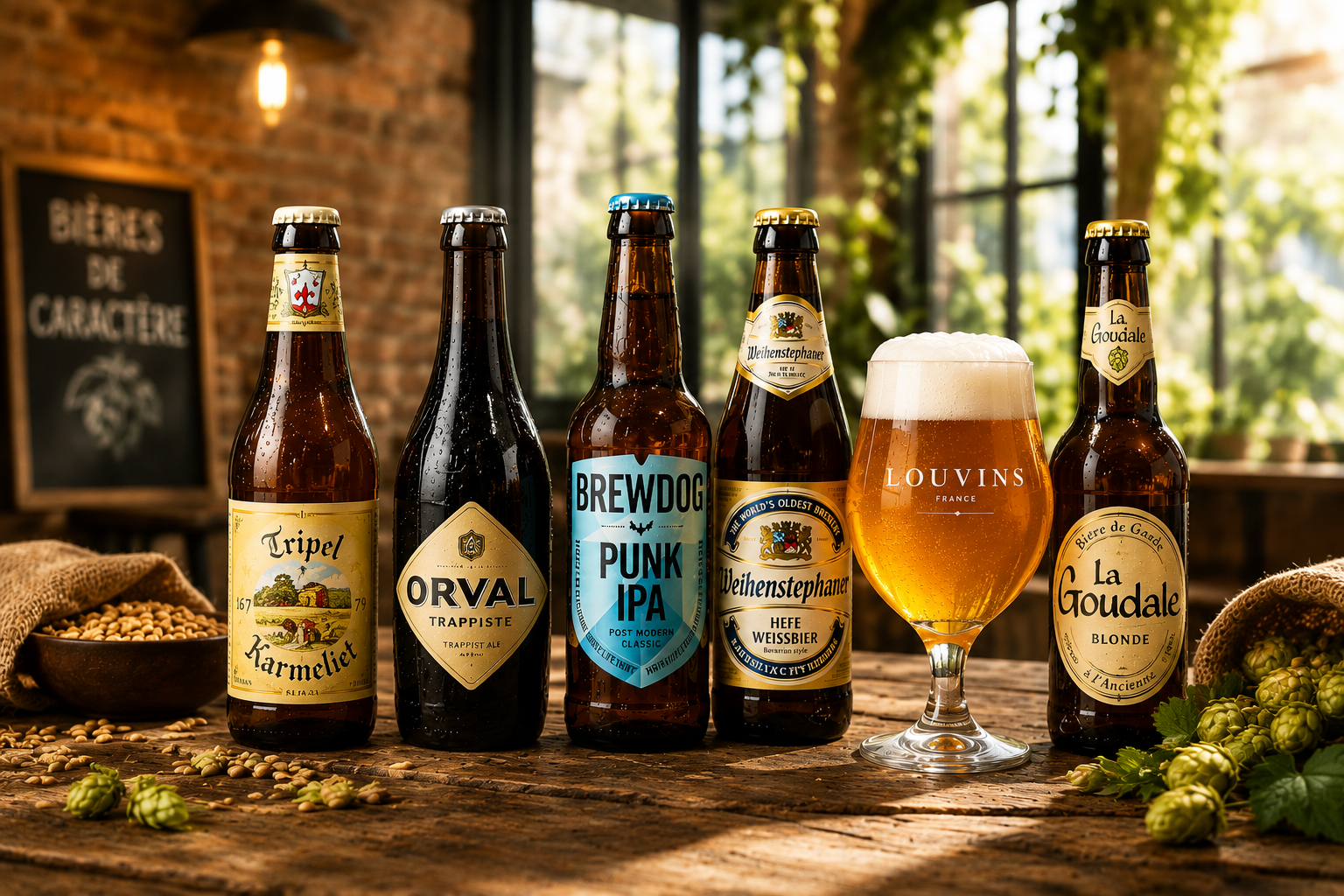
From the earliest civilisations to modern craft beers, discover the fascinating world of one of humanity’s oldest beverages.
Beer is now the most widely consumed alcoholic beverage in the world. Yet behind every bottle lies an ancestral craft, carefully selected raw materials and a cultural heritage spanning more than ten millennia.
Long considered the drink of the people, beer is now recognised for its remarkable aromatic richness. Like wine or speciality coffee, it offers a vast diversity of styles, regions and production methods that appeal to both casual enthusiasts and the most demanding tasters.
From light blond beers to powerful Imperial Stouts, from Belgian Trappist beers to intensely hopped American IPAs, every brew tells a story.
The first fermented cereal-based beverages are believed to have appeared in the Middle East shortly after the birth of agriculture.
The Sumerians of Mesopotamia were among the first peoples to master the art of brewing. Beer played an essential role in both everyday and religious life. The Egyptians later refined these techniques before the Celts developed their famous cervoise.
During the Middle Ages, European monasteries revolutionised brewing by gradually introducing hops. This plant improved preservation while adding an elegant bitterness and new aromas. The foundations of modern beer had been laid.
Today, beer is brewed on every continent and forms part of a truly global gastronomic heritage.
Despite the immense diversity of recipes, beer is almost always based on four essential ingredients.
Representing more than 90% of beer, water directly influences its texture, freshness and aromatic balance. Some regions even owe their brewing reputation to the quality of their water.
Mainly produced from barley, malt provides the sugars required for fermentation. Depending on its level of roasting, it can develop notes of fresh bread, biscuit, caramel, chocolate or coffee.
Hops provide the bitterness that balances the sweetness of the malt. They are also responsible for a large proportion of the beer’s aromas, including citrus fruits, tropical fruits, flowers, resin, spices and red berries, depending on the varieties used.
Yeast transforms sugars into alcohol and carbon dioxide. It also contributes to the aromatic profile by developing fruity, floral or spicy notes that define each style.
Brewing is a process that is both precise and fascinating.
After the barley has been malted, the grains are crushed and mixed with hot water during the mashing stage in order to extract fermentable sugars. The resulting wort is then filtered before being brought to the boil.
Hops are added at this stage to provide bitterness, aroma and stability.
Once cooled, the wort is inoculated with yeast, triggering fermentation. This process lasts from a few days to several weeks, depending on the desired style.
The beer then undergoes maturation before being filtered or left unfiltered, naturally or artificially carbonated, and finally packaged in bottles, cans or kegs.
The brewing world now includes more than 150 different styles. They are mainly grouped according to their type of fermentation.
Fermented at low temperatures, Lagers generally offer great freshness and refined flavours. Pils, Helles and Bock beers all belong to this family.
Produced through top fermentation, Ales develop richer and fruitier profiles. They include Pale Ales, IPAs, Blonde Ales, Brown Ales and Scotch Ales.
Produced mainly in Belgium, these beers ferment thanks to naturally occurring yeasts present in the air. Lambic, Gueuze and Kriek beers offer a truly unique character.
Among the hundreds of styles in existence, some have become genuine international references.
Each style has its own personality and gastronomic pairings.
Several nations have profoundly shaped brewing history.
Renowned for its abbey beers, Trappist beers, Gueuzes and strong ales, Belgium is often regarded as one of the world’s leading centres for tasting beers.
Known for its famous 1516 purity law, Germany produces Pils, Helles, Weizen, Bock and Doppelbock beers with remarkable precision.
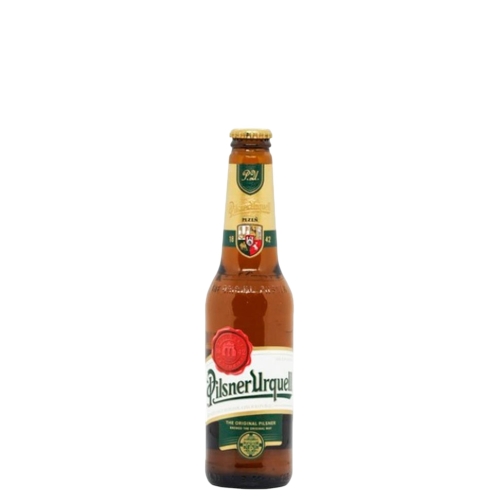
The birthplace of modern Pilsner, the Czech Republic also has one of the highest beer consumption rates in the world.
The home of Bitter, Porter, Stout and Pale Ale.
Since the 1980s, American craft breweries have revolutionised brewing through their highly aromatic hops and remarkable creativity.
The French market is experiencing tremendous growth, with several thousand craft breweries promoting short supply chains, local ingredients and beers with distinctive character.
The world of beer is shared between major international groups and independent breweries.
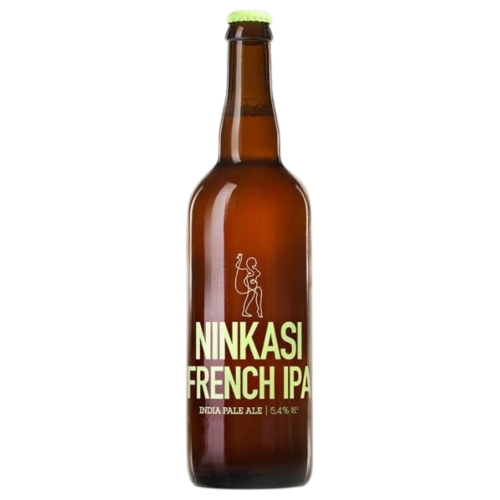
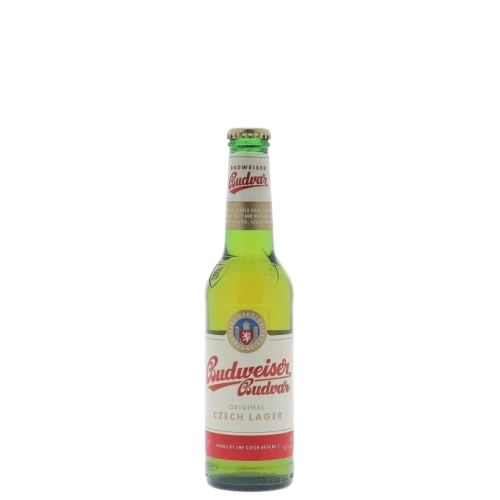
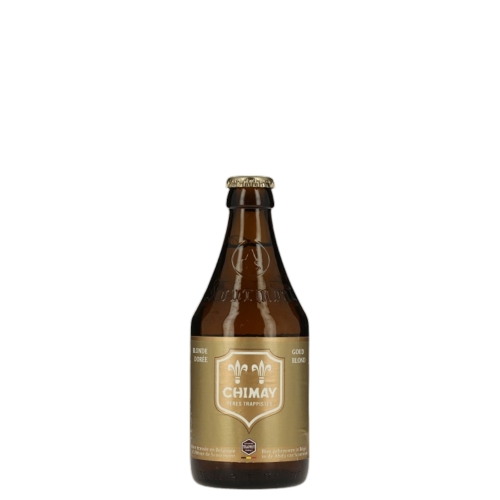
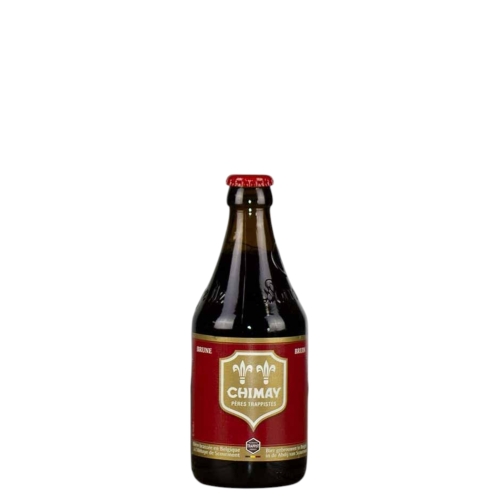
Among the best-known producers are Heineken, Carlsberg, Guinness, Budweiser, Stella Artois, Corona, Chimay, Duvel, La Chouffe, Delirium, Paulaner, Weihenstephan, Pilsner Urquell and Sierra Nevada, which has become a global reference in American craft beer.
Alongside them, several thousand microbreweries now offer original creations that contribute to the revival of brewing heritage.
Like a fine wine, beer deserves careful attention.
The serving temperature varies according to the style. A Lager is best enjoyed between 4 and 6°C, while a complex dark beer or Barley Wine will reveal more of its aromas at around 10 to 14°C.
The choice of glass also influences the tasting experience. A chalice highlights Belgian beers, while a tulip glass helps concentrate the aromas of IPAs and tasting beers.
Observing the colour, head, aromas and length on the palate makes it possible to appreciate the full richness of the brewer’s work.
Long associated mainly with aperitifs, beer now accompanies refined cuisine.
A wheat beer pairs beautifully with seafood or grilled fish. An IPA is an excellent match for spicy cuisine or gourmet burgers. Dark beers pair well with slow-cooked meats, mushrooms or chocolate desserts.
Some aged beers can even rival fine wines when served with mature cheeses or gastronomic dishes.
The brewing world is currently experiencing a genuine renaissance. Consumers are looking for greater authenticity, quality and diversity. Microbreweries are experimenting with new hops, original fermentations and barrel ageing, continually pushing the boundaries of creativity.
This richness makes beer a fascinating world in which every tasting offers a new discovery.
At Louvins, we share this passion for exceptional products and authentic expertise. In our future guides, we will explore every aspect of this universe in detail: brewing techniques, the different styles, the major producing countries, Trappist beers, IPAs, food and beer pairings, and the secrets of the world’s greatest brewers.
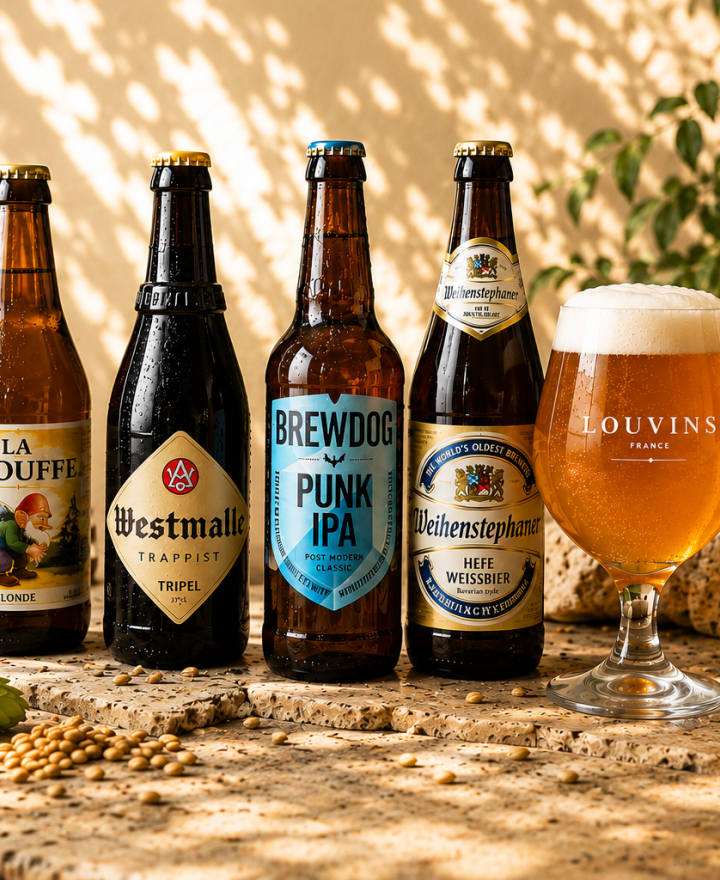
Dive into the fascinating world of beer and discover why this millennia-old beverage is now far more than a simple...
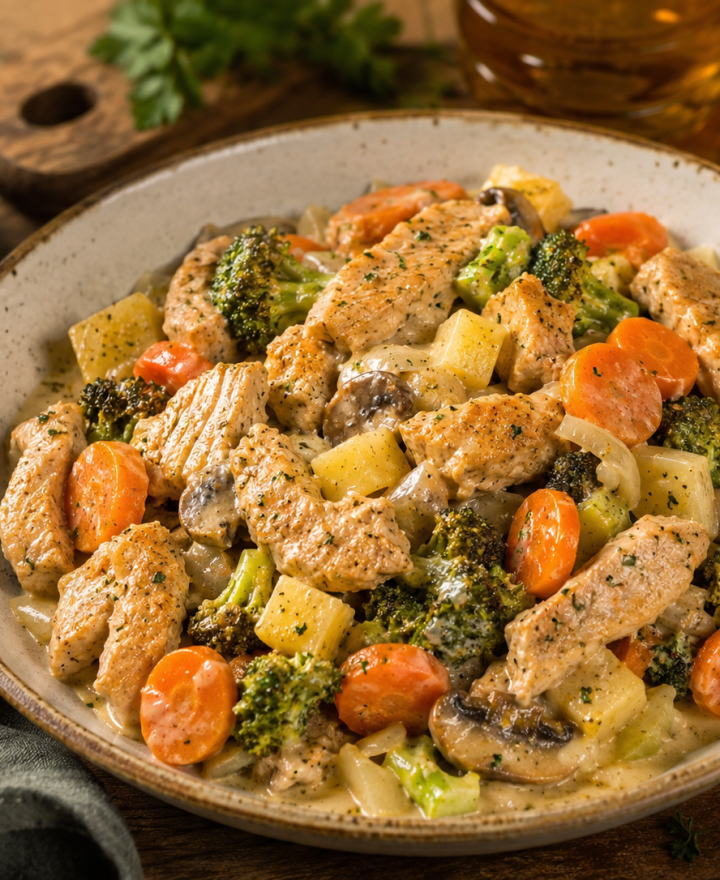
Discover a comforting and flavorful recipe with our Tender Turkey Strips with Louvins Onion Delight...

Looking for an elegant, flavorful, and easy-to-make dish? Discover our roasted salmon with Louvins Viking...
Champagne embodies the French art of living — refinement, emotion, and celebration. Born from a...
The best effect you will get if you remove text and put background image