 English
  Français
Shopping Cart

Ready to ship
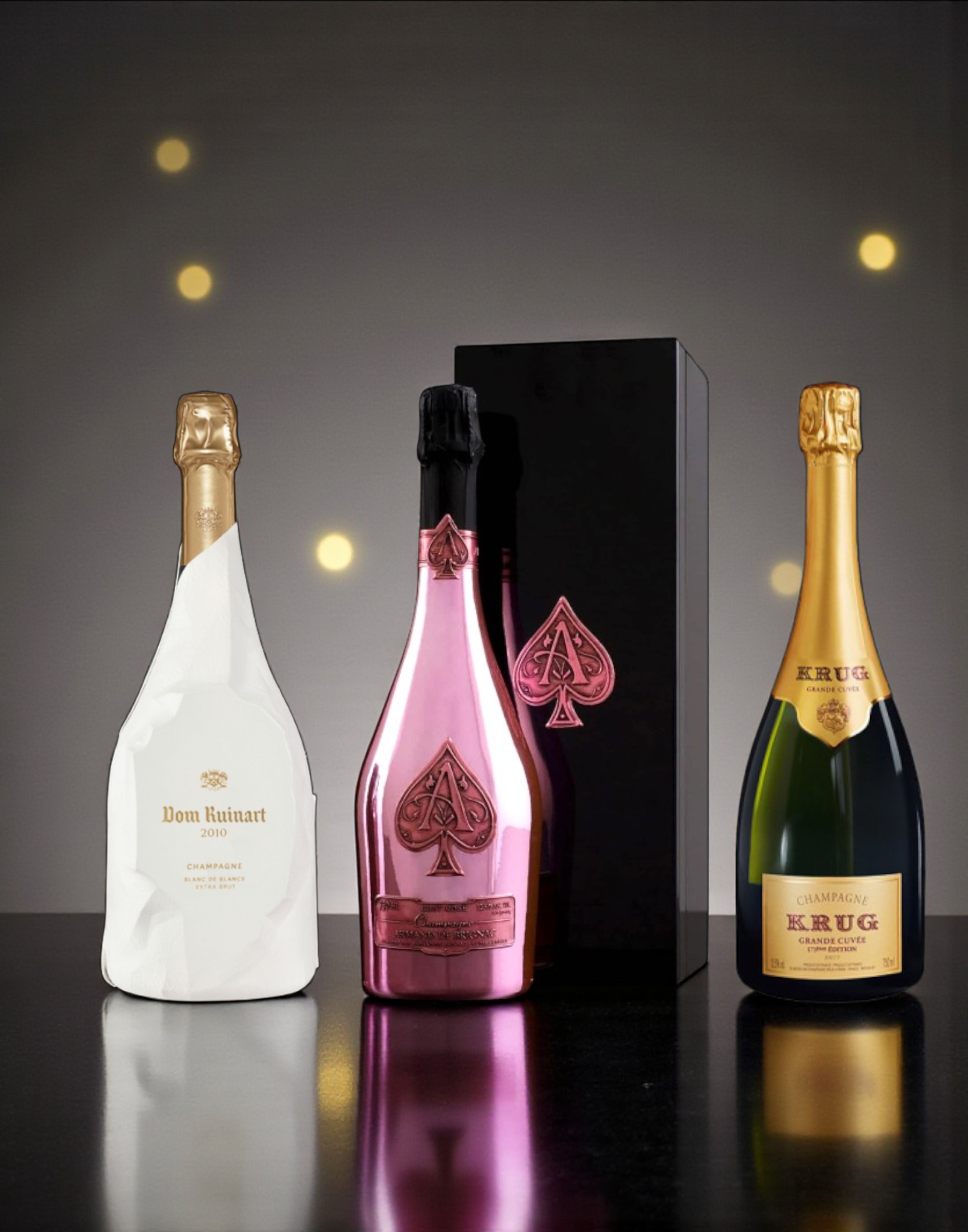
A universal symbol of celebration, success, and sophistication, Champagne is far more than a sparkling wine. It embodies the spirit of festivity, the heritage of a unique region, and the artistry of centuries-old craftsmanship. Behind every flute lies a story — the story of the land, of passionate winemakers, and of a meticulous process where patience and precision give birth to joy in liquid form.
At Louvins, Champagne is not just a drink — it is an emotion. A moment of grace where bubbles rise like laughter, and pleasure becomes an art.
Champagne is born in a single, sacred place: the Champagne region of northeastern France. Its name has been protected by the Appellation d’Origine Contrôlée (AOC) since 1936 — meaning no other sparkling wine in the world can legally bear the name unless it hails from this very soil.
The region’s magic lies in a delicate balance of natural elements:
A cool, northern climate, ensuring freshness and natural acidity.
Chalk and limestone soils, which retain moisture and reflect warmth, creating wines of tension and minerality.
A patchwork of hillsides and micro-terroirs, where each parcel expresses a distinct personality.
This harmony of earth, air, and expertise gives Champagne its unparalleled elegance and vivacity.
Champagne’s brilliance comes from the artistry of blending three emblematic grape varieties:
Chardonnay
A white grape known for finesse and floral notes. It brings freshness, purity, and a crystalline texture to the blend.
Pinot Noir
A red grape with white juice, it provides structure, depth, and aromas of red berries and cherry.
Pinot Meunier
The charming, less famous sibling — it adds fruitiness, softness, and a touch of roundness.
Some champagnes focus on a single grape for purity of expression:
Blanc de Blancs (100% Chardonnay): elegant, mineral, and airy.
Blanc de Noirs (Pinot Noir and/or Meunier): rich, full-bodied, and expressive.
The secret to Champagne’s fine bubbles lies in its unique production method, known as the méthode champenoise or traditional method.
It unfolds in several precise steps:
First fermentation – The grape juice becomes a still base wine.
Blending – The cellar master assembles wines from different crus, grapes, and years to define the house’s signature style.
The “prise de mousse” – The wine is bottled with a mixture of wine, sugar, and yeast, triggering a second fermentation that naturally produces bubbles.
Aging on lees – The bottles rest for months or even years in Champagne’s chalk cellars, developing aromas of brioche, almond, and honey.
Riddling and disgorging – The bottles are gradually turned to collect the lees near the neck, which are then expelled.
Dosage – A touch of sugar and wine (liqueur d’expédition) is added to balance the style:
Brut Nature – no sugar added.
Extra Brut – very dry.
Brut – perfectly balanced.
Demi-sec – sweeter and rounder, ideal with desserts.
Every step requires precision and devotion — a true art of effervescence.
Champagne is not one experience but many — a universe of styles and emotions.
Non-Vintage Brut (NV): blended from several years to ensure consistency and house identity.
Vintage (Millésimé): crafted from a single exceptional year, expressing the character of its harvest.
Rosé Champagne: created either by macerating red grapes or by blending red and white wines — romantic and expressive.
Blanc de Blancs: made exclusively from Chardonnay, elegant and mineral.
Blanc de Noirs: from Pinot Noir or Meunier, generous and powerful.
Prestige Cuvées: aged for many years, they represent the pinnacle of luxury and complexity.
Each type reveals a different facet of Champagne’s artistry — a balance between precision, texture, and soul.
Patience is the heartbeat of Champagne. The long aging process — sometimes a decade or more — refines its bubbles and enriches its aromas.
With time, youthful notes of citrus and flowers evolve into deeper tones of honey, toast, vanilla, and hazelnut.
A great Champagne is alive — it breathes, evolves, and reveals new layers of emotion with every sip.
Though synonymous with aperitifs and celebrations, Champagne pairs beautifully throughout an entire meal.
As an aperitif: a Brut Champagne with oysters, smoked salmon, or scallops.
With main dishes: a Blanc de Noirs with roast chicken, veal, or grilled fish.
With cheese: surprisingly good with aged Comté or creamy Brie.
With dessert: a Demi-sec Champagne alongside a lemon tart or red fruit dessert.
The secret lies in matching Champagne’s freshness and texture with the richness of the dish — creating harmony between sparkle and substance.
Behind every bottle lies a story of vision and excellence. Legendary houses such as Moët & Chandon, Veuve Clicquot, Ruinart, Bollinger, and Dom Pérignon embody French luxury and timeless craftsmanship.
Alongside these icons, a new wave of independent grower-producers is rising — artisans who cultivate their own vineyards and craft small-batch cuvées that reflect their unique terroirs.
Together, they preserve Champagne’s dual identity: prestigious and intimate, global and deeply rooted.
To truly appreciate Champagne is to savor a ritual:
Temperature: serve between 8–10°C (46–50°F) for Brut, slightly warmer for vintage cuvées.
The glass: use a tulip-shaped flute to capture aromas while preserving bubbles.
Visual pleasure: admire the golden hue and the delicate bead of rising bubbles.
The nose: inhale notes of citrus, white flowers, brioche, and almond.
The palate: let the bubbles unfold gently and enjoy the balance of freshness, texture, and length.
Each sip is a dance — a celebration of finesse, time, and light.
More than a drink, Champagne is an attitude — the art of living beautifully. It embodies joy, elegance, and the French sense of celebration.
At Louvins, we believe a bottle of Champagne has the power to transform any moment into something extraordinary. A toast, a glance, a shared laugh — and suddenly, life sparkles a little brighter.
Champagne is where nature meets artistry, where time meets emotion. It is a fleeting masterpiece — luminous, alive, unforgettable.
Guided by passion and precision, Louvins curates a selection of exceptional Champagnes from producers devoted to purity, terroir, and elegance.
From vibrant Brut blends to refined Rosés and aged Vintage cuvées, each Champagne Louvins is an invitation to celebrate life — gracefully, authentically, and beautifully.
Champagne is not merely the wine of celebration — it is the wine of emotion.
Behind its golden sparkle lie centuries of craftsmanship, passion, and poetic artistry.
Whether enjoyed in the quiet of a special moment or at the heart of a joyful gathering, Champagne carries with it a promise — the promise of beauty, pleasure, and shared joy.
At Louvins, we believe that every glass of Champagne is a tribute to time itself — to the refinement of taste and the emotion of being alive.
Dive into the fascinating world of beer and discover why this millennia-old beverage is now far more than a simple...
Discover a comforting and flavorful recipe with our Tender Turkey Strips with Louvins Onion Delight...

Looking for an elegant, flavorful, and easy-to-make dish? Discover our roasted salmon with Louvins Viking...
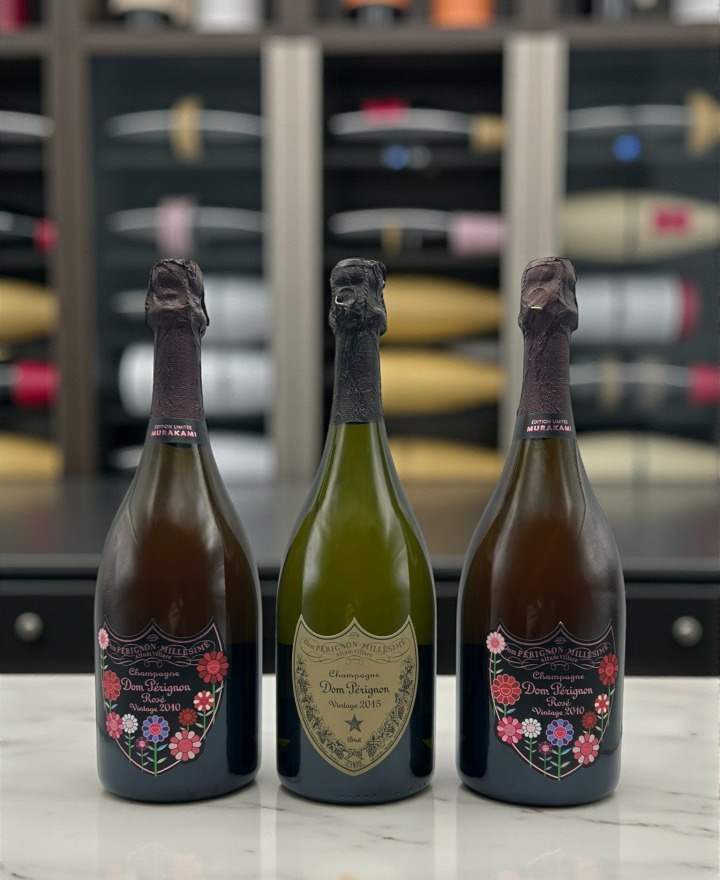
Champagne embodies the French art of living — refinement, emotion, and celebration. Born from a...









The best effect you will get if you remove text and put background image